
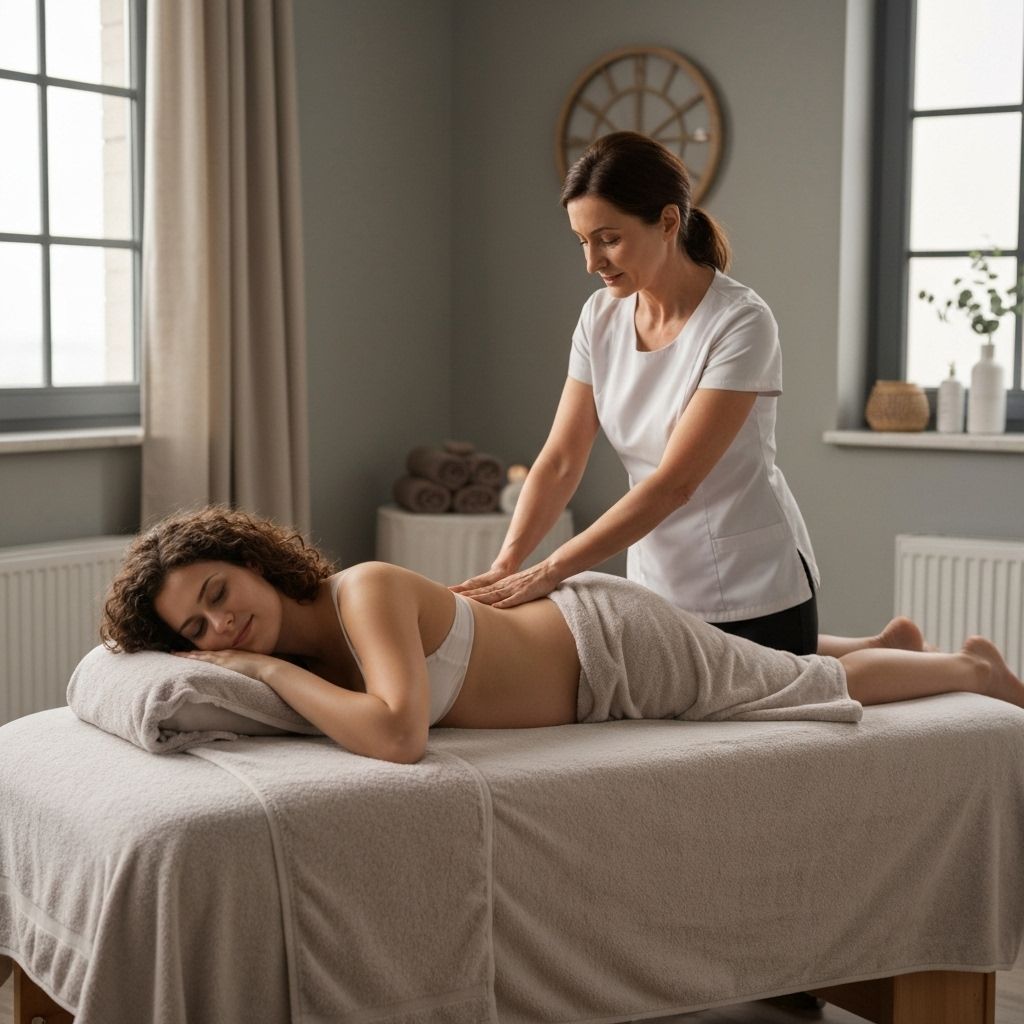
Pregnancy is a beautiful journey of transformation, but it can also bring physical discomfort, emotional changes, and stress. Prenatal massage offers expecting mothers a safe, natural way to address these challenges while supporting both maternal and fetal well-being. Understanding the benefits and safety considerations of pregnancy massage can help you make informed decisions about incorporating this therapeutic practice into your prenatal care.
Benefits of Prenatal Massage
Physical Relief
As your body changes to accommodate your growing baby, you may experience back pain, hip discomfort, swollen feet, and muscle tension. Prenatal massage can provide significant relief from these common pregnancy discomforts by improving circulation, reducing muscle tension, and promoting better posture alignment.
Many expecting mothers find that regular massage helps reduce sciatic nerve pain, alleviates headaches, and improves sleep quality. The gentle pressure and specialized techniques used in prenatal massage can also help reduce swelling in hands and feet by encouraging lymphatic drainage.
Emotional and Mental Well-being
Pregnancy can be an emotionally intense time, with hormonal changes contributing to mood swings, anxiety, and stress. Massage therapy has been shown to reduce cortisol levels while increasing serotonin and dopamine—neurotransmitters associated with mood regulation and well-being.
The nurturing touch and dedicated time for self-care that massage provides can help expecting mothers feel more connected to their bodies and their babies, reducing anxiety and promoting a sense of calm and centeredness.
Safety Guidelines and Considerations
When to Start
Most massage therapists recommend waiting until after the first trimester (12 weeks) before beginning prenatal massage. This is because the risk of miscarriage is highest during the first trimester, and while massage doesn't cause miscarriage, many practitioners prefer to err on the side of caution.
Positioning and Techniques
Proper positioning is crucial for both safety and comfort during prenatal massage. After the first trimester, lying flat on your back should be avoided as it can compress the vena cava, reducing blood flow to the baby. Instead, side-lying positions with supportive pillows or specially designed pregnancy massage tables with belly cutouts are used.
Certain pressure points and techniques are avoided during pregnancy, particularly those that might stimulate uterine contractions. A qualified prenatal massage therapist will be trained in these modifications and will adjust their approach based on your stage of pregnancy and individual needs.
Contraindications
While prenatal massage is generally safe, certain conditions may require medical clearance or make massage inadvisable. These include high-risk pregnancies, preeclampsia, severe swelling, blood clots, or a history of preterm labor. Always consult with your healthcare provider before beginning any massage therapy during pregnancy.
What to Expect During Your Session
A prenatal massage session typically lasts 60-90 minutes and begins with a consultation about your current symptoms, stage of pregnancy, and any concerns. Your therapist will explain positioning options and ensure you're comfortable throughout the session.
The massage will focus on areas of tension and discomfort while avoiding deep pressure on the abdomen. Many therapists incorporate gentle stretching and joint mobilization to help maintain flexibility and range of motion as your body changes.
Communication is key during prenatal massage. Don't hesitate to speak up if you need to change positions, if the pressure is too light or too firm, or if you experience any discomfort.
Choosing a Qualified Therapist
When selecting a massage therapist for prenatal care, look for someone with specific training in pregnancy massage. They should be knowledgeable about the anatomical and physiological changes that occur during pregnancy and skilled in appropriate modifications and positioning.
A qualified prenatal massage therapist will ask about your medical history, current pregnancy status, and any complications. They should also be prepared to work with your healthcare provider if needed and know when to refer you for medical evaluation.
Frequency and Timing
The frequency of prenatal massage can vary based on your individual needs and comfort level. Some women benefit from weekly sessions, especially in the third trimester when discomfort tends to increase, while others find monthly sessions sufficient. Listen to your body and work with your therapist to determine what feels right for you.